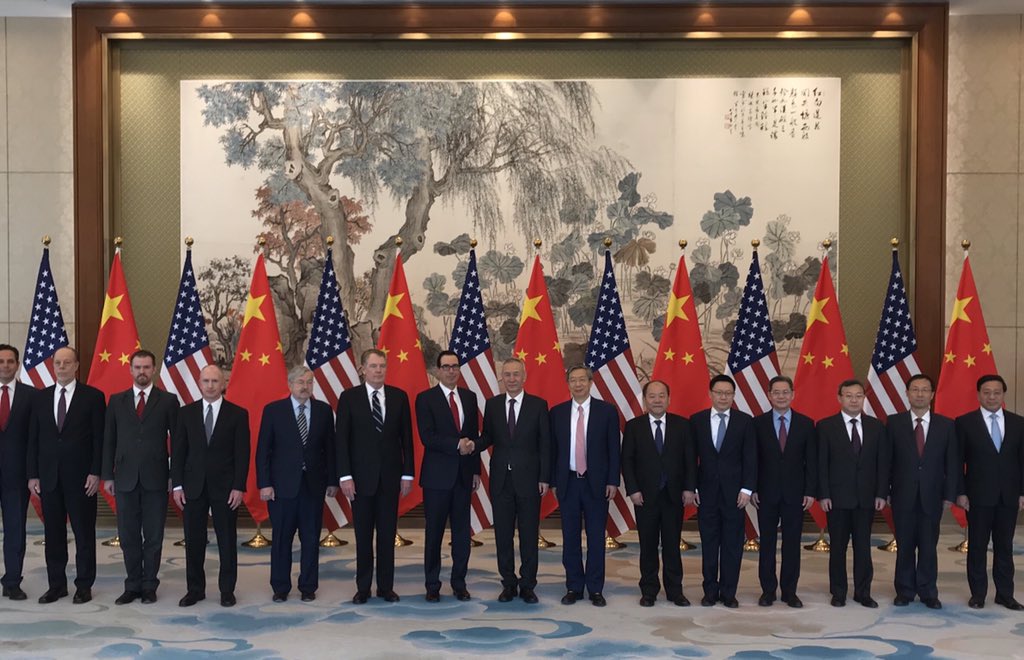
Analysis. The Sino-American relationship is entering a phase where technology becomes the primary language of power. Tariffs, export restrictions, and industrial policies are no longer separate instruments: they form a unified framework for economic security.
For Washington, the challenge is to limit Beijing’s access to the most sensitive dual-use technologies, particularly advanced semiconductors, production equipment, and artificial intelligence capabilities. For Beijing, these restrictions underscore the necessity of accelerating industrial self-reliance and reducing dependence on Western suppliers.
A rivalry that extends beyond trade
The current competition is not merely about tariffs. It touches the very design of globalization. The United States seeks to secure critical nodes in supply chains, while China invests in domestic alternatives and partnerships with the Global South.
The economic agreement announced between Washington and Taipei on semiconductors exemplifies this logic: production capacities, industrial investments, and the resilience of value chains are now treated as matters of national security.
Three consequences to watch
- Technological fragmentation: companies will have to navigate increasingly divided standards, suppliers, and jurisdictions.
- Pressure on allies: Europe, Canada, Japan, and South Korea will be compelled to clarify their alignment in sensitive sectors.
- Risk of targeted retaliation: critical minerals, batteries, digital platforms, and public procurement could become levers of pressure.
Stabilizing the Sino-American relationship remains possible, but it will depend less on a grand commercial compromise than on the ability to avoid abrupt ruptures in strategic sectors.
Sources consulted: U.S. Department of Commerce, White House, public documents on export controls and semiconductor-related economic agreements.

Les plus lus

The Neutralization of Willy Ngoma: Decisive Turning Point or Strategic Reconfiguration?

Ukraine: Zelensky Calls for Binding Security Guarantees in Exchange for a Ceasefire

Middle East: UN Calls for International Investigation into Gaza Strikes
DRC: Key Takeaways from the Political News of the Weekend of March 14-15, 2026